The Therapeutic Power of Water: Hydrotherapy Circuit Spa Benefits
Hydrotherapy circuit spas present a unique approach to overall wellness, utilizing water's natural properties to improve mental and physical health. These healing environments create opportunities for relaxation and rejuvenation via numerous water-based treatments. As individuals discover the therapeutic benefits of hydrotherapy, they may find themselves questioning how these methods can be integrated into their regular routines. Grasping the science that underpins hydrotherapy is essential for maximizing the potential advantages it offers.
What Is Hydrotherapy and How Does It Work?
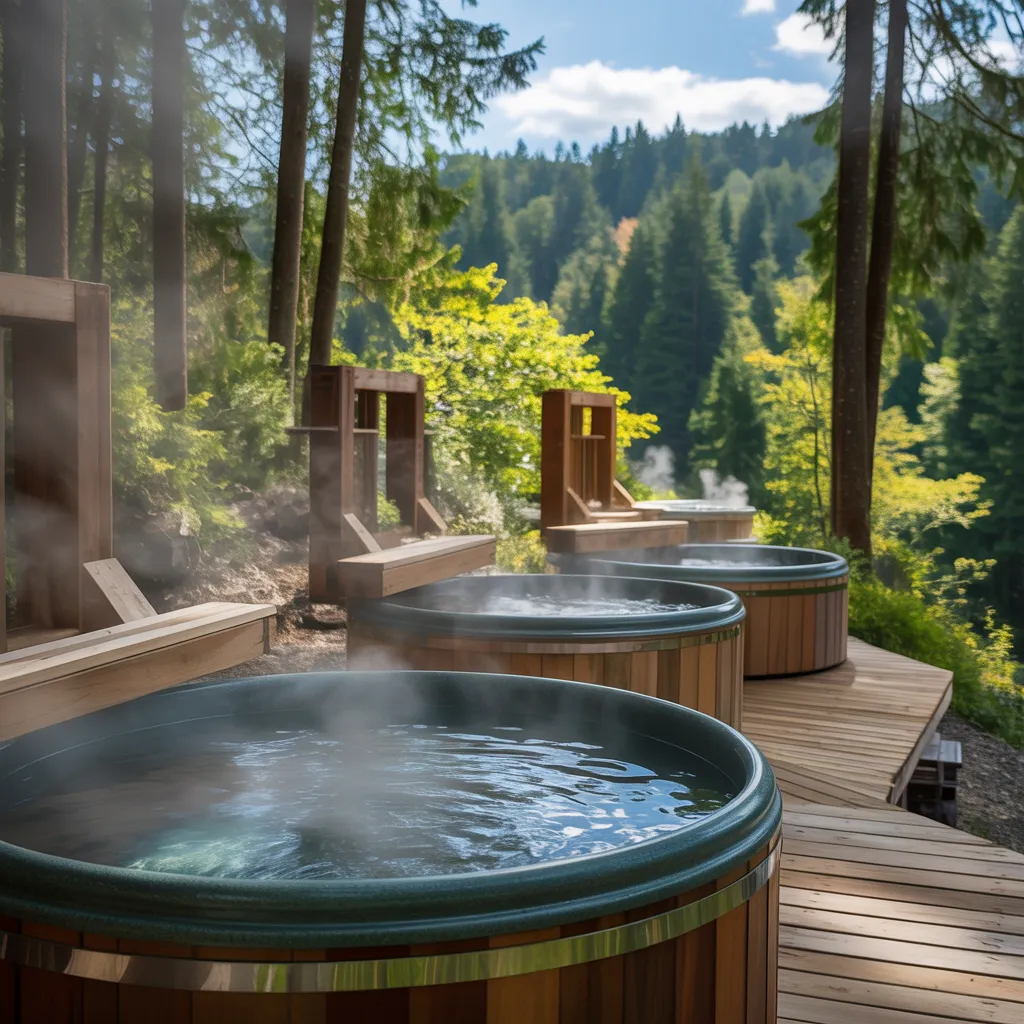
Hydrotherapy, often regarded as a therapeutic approach, utilizes water to promote physical and mental well-being. This discipline incorporates multiple methods, such as baths, pools, and jets, to capture the distinctive qualities of water. The temperature of warm water can soothe muscles, boost circulation, and reduce tension, while buoyancy lessens the pull of gravity, enabling easier movement for those with physical challenges. Diverse water temperatures address particular needs; warm water can ease and unwind, while cold water can refresh and stimulate the body.
Hydrotherapy can also incorporate the use of various additives, such as mineral salts or aromatic oils, to enhance its effects. The integration of water pressure, temperature, and movement creates an environment that encourages relaxation and healing. By engaging both the body and mind, hydrotherapy can deliver an all-encompassing approach to health, making it a preferred selection in spas and rehabilitation centers.
How Hydrotherapy Can Help Your Body Feel Its Best
Many individuals achieve remarkable benefits in their bodily and mental wellness through hydrotherapy. This therapeutic practice harnesses the natural qualities of water to enhance circulation, reduce muscle tension, and ease discomfort. The heated water in hydrotherapy sessions assists in improving blood flow, which facilitates the supply of key nutrients to tissues and accelerates healing.
Additionally, the weightlessness of water minimizes stress on joints and muscles, making movement more fluid and pain-free. The combination of varying water temperatures, jets, and pressure can additionally activate nerve endings, boosting overall comfort and sensory experience.
Alongside bodily improvements, hydrotherapy is known to boost flexibility and range of motion, helping people participate in routine activities with less difficulty. This comprehensive method not only treats bodily concerns but also fosters a greater sense of vitality, positioning hydrotherapy as a beneficial option for those seeking to improve their quality of life.
Aquatic Therapy for Stress Reduction and Mental Well-Being
Even though physical well-being commonly takes center stage, mental well-being is just as important, and water-based therapy can have a significant impact on relieving stress. The calming qualities of water can establish a serene atmosphere that promotes relaxation and mindfulness. Immersing oneself in warm water can stimulate the release of endorphins, the body's built-in tension-reducing hormones, promoting a feeling of tranquility.
Moreover, the gentle buoyancy of water eases physical tension, allowing individuals to dispel built-up stress. The melodic sounds of water and its calming effect can boost mood, supporting a more settled mind. Hydrotherapy circuit spas frequently feature a range of water features, such as waterfalls and jets, which can simultaneously improve circulation and strengthen emotional well-being.
Through these experiences, practitioners can data reach a holistic method for handling stress, thereby enhancing emotional wellness. When weaving hydrotherapy into self-care routines, people can foster a heightened sense of balance and tranquility in their routine existence.

Hydrotherapy Treatments Worth Trying
Hydrotherapy delivers a range of therapies that can enhance both physical and mental health. Hot water therapy is celebrated for its relaxing effects and muscle relief, while contrast therapy techniques can boost blood flow and minimize inflammation. Investigating these techniques can offer people valuable means for recuperation and unwinding.
Warm Water Immersion Benefits
Warm water immersion provides a wide range of benefits that improve overall health and wellness. Participating in this therapeutic activity can reduce muscle tension, promoting relaxation and easing pain. The natural buoyancy of warm water sustains the body, relieving stress on joints and enabling movement for those with limited mobility. Furthermore, the calming temperature contributes to increasing blood circulation, which can accelerate recovery from injuries and strengthen overall cardiovascular health. On a psychological level, warm water immersion creates a tranquil environment, supporting stress reduction and promoting mental clarity. This all-encompassing approach not only supports physical recovery but also cultivates emotional balance, rendering it an important component of hydrotherapy that individuals can integrate into their health and wellness regimens.
Contrast Treatment Methods
Participating in contrast therapy techniques provides a powerful approach to well-being that cycles through hot and cold water treatments. The technique works to boost blood flow, support lymphatic drainage, and foster a sense of calm. Commonly, users start with a warm soak to relax muscles and open pores, before transitioning to a brief exposure to cold water, which can refresh and firm the skin. This alternating pattern enables the body to adapt and recover more efficiently. Typical methods involve switching between hot baths and cold plunges or using hot towels followed by cold compresses. A large number of practitioners notice decreased muscle aches, enhanced recovery speed, and heightened overall well-being. Contrast therapy, when practiced regularly, can serve as an essential part of a well-rounded health program.
Adding Hydrotherapy to Your Wellness Routine
Whereas most wellness routines concentrate on physical activity or nutrition, integrating hydrotherapy into a wellness routine can provide distinctive advantages for both body and mind. Hydrotherapy leverages the restorative qualities of water to foster relaxation and healing, making it an ideal complement to traditional wellness practices. Frequent sessions at hydrotherapy circuit spas can boost circulation, ease muscle tension, and diminish stress levels.
Individuals can conveniently integrate hydrotherapy by planning regular spa appointments or establishing a home environment with a hot tub or bathtub. Switching between hot and cold water can optimize benefits, stimulating the body's natural healing processes. Moreover, incorporating mindful practices such as meditation or breathing exercises during hydrotherapy promotes psychological sharpness and emotional harmony. In the end, integrating hydrotherapy within a wellness plan not only encourages bodily renewal but also nurtures mental well-being, creating a holistic approach to health that is both restorative and revitalizing.
Selecting the Perfect Hydrotherapy Spa for Your Needs
Picking the right hydrotherapy spa involves careful consideration of various factors. Important elements include the services available at the spa, its accessibility and location, as well as cost and payment options. Every one of these aspects plays an essential role in guaranteeing a fulfilling and valuable hydrotherapy experience.
Spa Features to Consider
Selecting the perfect hydrotherapy spa demands close attention to a range of features designed to suit individual requirements and tastes. Key aspects include the type of water treatments available, including hot tubs, saunas, and steam rooms, all of which provide distinct advantages. Furthermore, the range of jets and their placement can significantly influence the quality of massages and overall relaxation.
People should also consider the spa's dimensions and capacity, ensuring it accommodates their desired group size. Accessibility features, such as ramps and handrails, are important for those with mobility limitations. Finally, the overall ambiance, including lighting and acoustics, plays an important role in enhancing the therapeutic experience, making it important to find a spa that matches one's personal comfort and relaxation objectives.
Position and Access
Location plays an essential role in selecting the right hydrotherapy spa, as ease of access can considerably elevate the overall wellness experience. A location near your home or workplace can make routine visits more achievable, promoting steady wellness habits. Furthermore, accessibility is a key consideration; establishments should be straightforward to get to with ample parking or reliable public transport links.
Taking the surrounding environment into account is equally important. A tranquil setting can amplify the therapeutic effects of hydrotherapy, while urban locations may offer vibrant social opportunities. Additionally, it makes sense to examine the spa's schedule and the accessibility of its services. Making certain that a hydrotherapy spa fits one's personal lifestyle and practical requirements will significantly enhance overall satisfaction and the impact of the hydrotherapy experience.
Budget and Pricing Options
Navigating the landscape of hydrotherapy circuit spas demands careful consideration of financial options and pricing. Prices can fluctuate greatly based on amenities, location, and available features. Some spas provide basic packages at more affordable costs, while others provide luxurious experiences with advanced therapies at a premium. It is crucial to evaluate what each spa offers, such as access to tailored therapies, relaxation areas, and duration of sessions. Additionally, many facilities feature membership options, which can lower expenses for frequent visitors. Those considering a visit should also look into seasonal promotions or discounts, which can make high-quality hydrotherapy more accessible. Ultimately, balancing individual health objectives with budget constraints will enable guests identify the right hydrotherapy spa for their needs.
Essential Safety Tips for Your Hydrotherapy Experience
What are the best ways to ensure a safe and enjoyable hydrotherapy experience? The first step is to consult with a healthcare professional, particularly for those who have existing health concerns. Ensuring proper hydration before, during, and after the session is important to avoid dehydration. Visitors must take the time to understand the center's established safety protocols and adhere to posted rules regarding thermal levels and time constraints throughout each area.
Moreover, it is recommended that individuals refrain from using hydrotherapy facilities while affected by intoxicating substances, as this can diminish alertness and elevate potential hazards. Donning proper swimwear and non-slip shoes can aid in accident prevention. Additionally, being mindful of individual comfort is important; should discomfort occur at any time, it is prudent to step out of the facility. By adhering to these safety guidelines, people can enhance their hydrotherapy experience while limiting possible dangers.
Questions We Often Receive
Is It Safe for Children to Participate in Hydrotherapy Treatments?
Children can safely participate in hydrotherapy treatments, provided they are supervised and the treatments are age-appropriate. Health professionals should assess individual needs and conditions to ensure a secure and advantageous experience for child participants.
How Often Should You Use a Hydrotherapy Spa?
It is commonly suggested to utilize a hydrotherapy spa a couple of times weekly. However, individual health needs and personal circumstances may influence the recommended frequency, so it is advisable to consult a healthcare professional for personalized guidance.
What Should I Wear During a Hydrotherapy Session?
Within a hydrotherapy appointment, patients typically wear a swimming costume or appropriate swimwear. It is suggested to select quick-drying, comfortable fabrics to ensure ease of movement and enhance the overall wellness experience in the aquatic environment.
Are There Any Specific Contraindications for Hydrotherapy?
Known contraindications for hydrotherapy encompass heart and cardiovascular concerns, skin infections, recent surgical procedures, and specific respiratory conditions. Those affected by these issues should speak with a qualified healthcare professional before taking part in hydrotherapy sessions to confirm both safety and effectiveness.
Can Hydrotherapy Assist With Chronic Pain Management?
Hydrotherapy can indeed assist in chronic pain management. Its heated water and buoyancy help foster relaxation, boost circulation, and relieve muscle tension, which may help alleviate discomfort and elevate overall well-being for people experiencing ongoing pain conditions.